 Stowcase
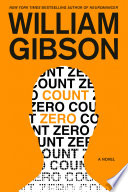 Count Zero
William Gibson
Gibson began his writing career in the late 1970s with noir, near-future stories exploring the intersection of technology and human life. He coined the term "cyberspace" in his short story "Burning Chrome" and popularized its concept, as well as the use of the "matrix," in his debut novel Neuromancer. This work, completed with novels Count Zero and Mona Lisa Overdrive, formed the dystopian Sprawl trilogy. Gibson then expanded into other genres, collaborating on the steampunk novel The Difference Engine and composing the Bridge trilogy of novels about near-future urban environments. Later, he shifted towards realistic novels, including Pattern Recognition and Spook Country, which achieved mainstream success.
Author · Books
Count ZeroSources
- Wikidata · identity, structured facts · Structured facts from Wikidata. · CC0-1.0
- Wikipedia · summary source · Adapted from Wikipedia contributors. The text has been modified. · CC-BY-SA-4.0